
Discover
Lily's story
When Lily was just 19 years old, her mum was first diagnosed with leukemia.
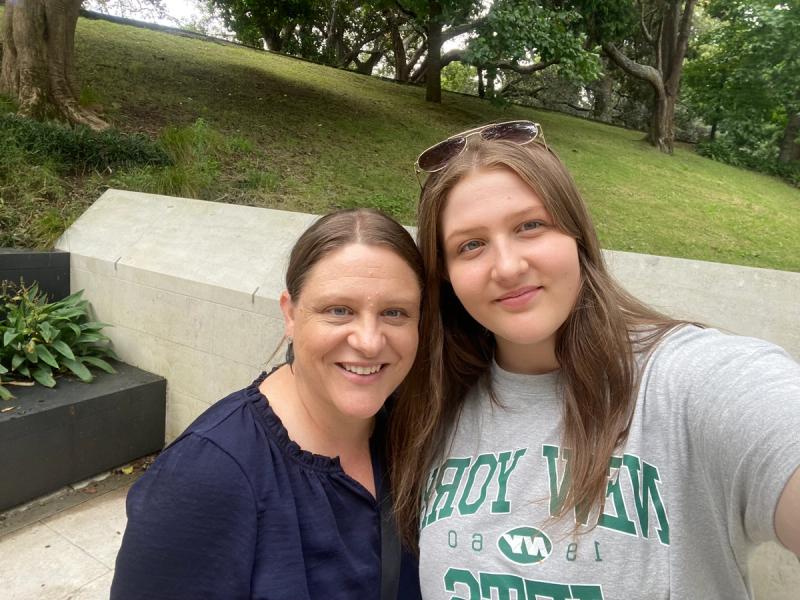
When Lily was 19 years old, she received a phone call that no rangatahi should have to receive.
“It was a normal Thursday afternoon when Mum called,” she remembers. “The conversation started light, and then made a turn when she said ‘Lily, I have my results back, and I have leaukaemia.’”
Nothing could have prepared her for those words.
Just a year earlier, Lily had moved from Feilding to Auckland to begin an exciting new chapter. Now, instead of looking ahead to the new year of university life, flatting, and finding her way in the city, she was trying to come to terms with the reality that her mum had cancer.
“I had a front-row seat to everything that was happening, but from hundreds of kilometres away,” she says. “Watching the people you love struggle while feeling unable to help is a feeling I would not wish on anyone.”
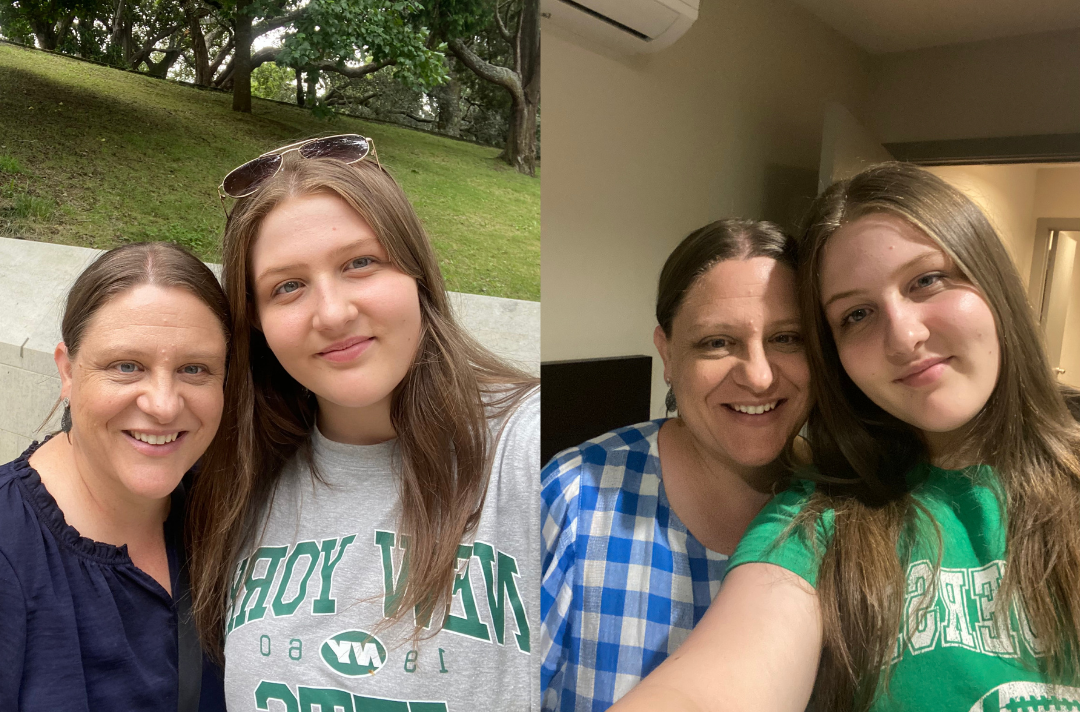
Like many rangatahi, Lily was already juggling the pressures of university and work. But layered on top of all that was something none of her peers were carrying.
“As a biology student, I was suddenly learning about leukemia in lectures and even looking at leukemia cells in the lab,” Lily says. “I’d be sitting on the bus, or in the car, when the reality would hit me all over again - my mum has leukemia.”
Every phone call home was another reminder of what her family was facing. “I would hear how exhausted Mum was, how much pain she was in, and how sick chemotherapy was making her
feel.” The anxiety that Lily had been trying to outrun only continued to grow, and she didn’t know where to turn.
“I didn’t know where to seek help,” she says. “To cope, I would write everything I was feeling in my notes app or in notebooks at home. It helped me get the feelings out, but I still felt like I was carrying everything on my own.” As the months passed, life got harder to navigate and the emotional weight got heavier.
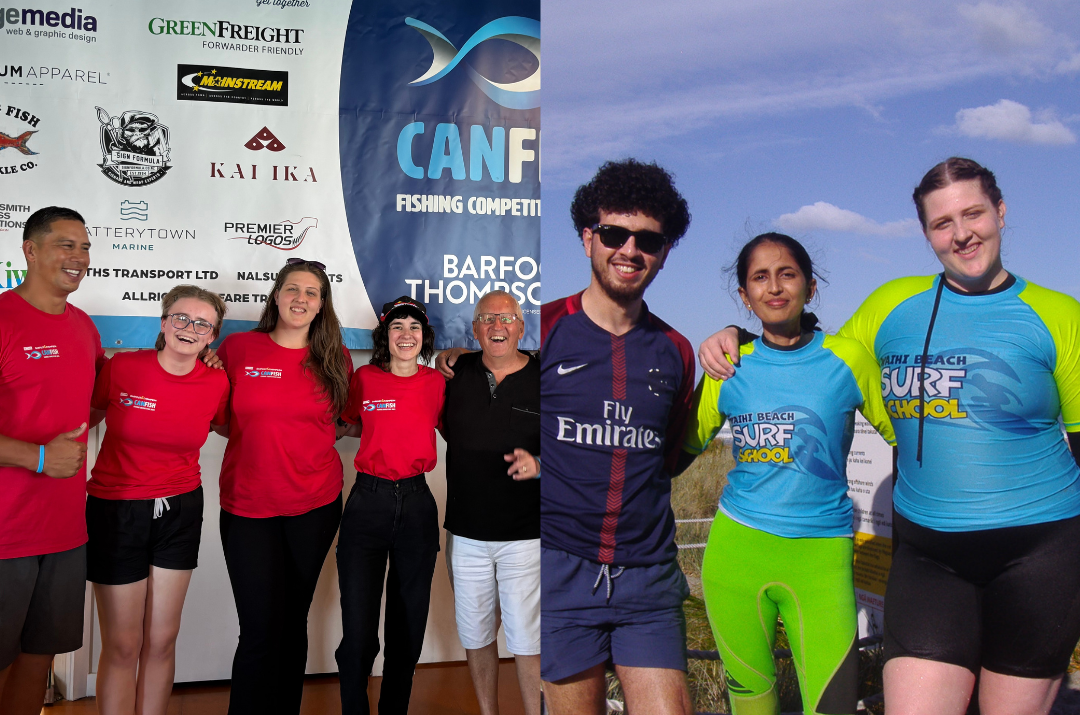
Trying to balance work, study, financial pressures and maintain friendships was already difficult. Carrying the constant worry of what her family was going through made it feel overwhelming.
It eventually became too much to carry alongside everything else. Her hours at work were cut, and soon after, no longer able to keep up with the financial pressure or focus on her studies, Lily made the incredibly difficult decision to leave her degree. It was one of the hardest decisions she had ever made.
Her mum suggested she get in touch with Canteen. From the moment Lily connected, she realised she no longer had to carry everything by herself. Through free counselling sessions at Canteen, Lily finally had a safe place to talk openly about everything she had been holding inside. Then, in December 2024, she attended her first peer event.
For the first time since her mum’s diagnosis, Lily found herself surrounded by other rangatahi who understood exactly what she was going through. “Canteen genuinely changed my life,” she says. “I found people who truly understood what I was going through. I didn’t have to explain myself because they just got it.”
Instead of facing cancer alone, Lily found a community that supported her and helped her rebuild her confidence. She challenged herself in new ways, learnt new skills and formed friendships that continue to support her today.
“Since joining Canteen, I’ve met some of my closest friends,” she says. “The support, understanding and connection I’ve found have been invaluable.”
Looking back now, Lily knows that while cancer changed her family’s life forever, it doesn’t have to define hers. “Cancer can feel like a dark cloud hanging over every part of life,” she says. “But through Canteen’s support, I’ve learned the importance of my communities, resilience, connection and asking for support when you need it.”
SUPPORT RANGATAHI
With 4,200 rangatahi impacted by cancer each year, for every rangatahi we supported, five more were facing isolation. Cancer is tough at any age, but for rangatahi, it can be especially isolating. Your support can help change this.